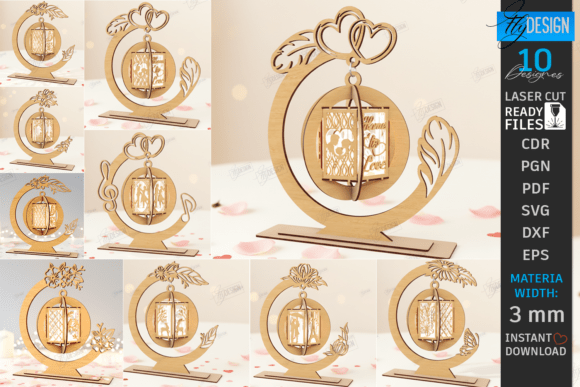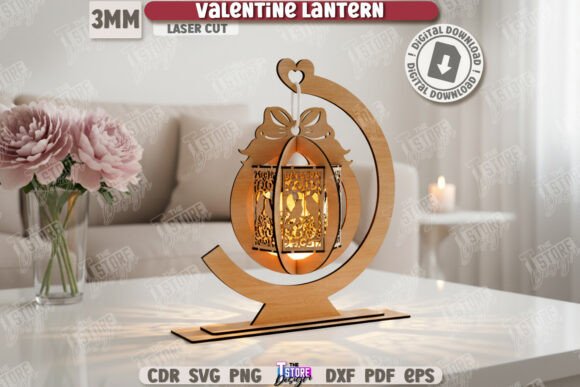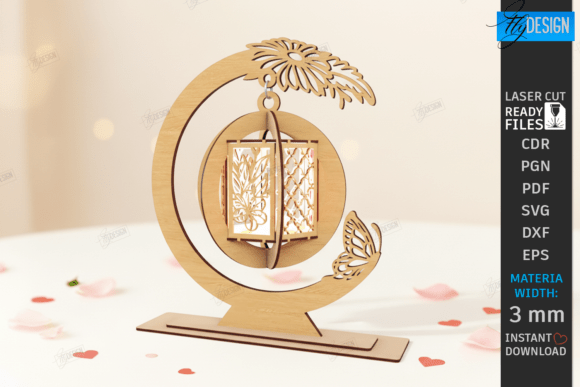
Valentine’s Day Hanging Lantern Laser
When I first opened the file for Valentine’s Day Hanging Lantern Laser, my immediate reaction was a mix of curiosity and caution. As someone who reviews embroidery designs for real-world application—whether it’s for a boutique client, an Etsy shop, or a personal gift—I don’t just look at the visual appeal. I look at how it translates from a digital vector to a stitched reality. This design is marketed heavily around laser cutting and CNC files, which raises an interesting question: how does this translate when we are talking about machine embroidery?
The product description highlights a "Romantic Design Heart Lantern" with 3D love table décor aesthetics. The visual personality of this file is intricate, delicate, and highly structured. It evokes a mood of vintage romance mixed with modern precision. For the right project, this isn’t just a heart; it’s a statement piece that suggests care, attention to detail, and a touch of luxury. But for the wrong project, those same intricate details can become a stitching nightmare.
First Impressions and Visual Mood
The layout of Valentine’s Day Hanging Lantern Laser is designed to catch the eye with its geometric complexity. The lantern shape, combined with the heart motif, creates a strong focal point. In terms of visual appeal, it feels sophisticated. It doesn’t scream "cheap Valentine’s Day craft"; instead, it whispers "handmade elegance." This distinction is crucial for small business owners and Etsy sellers who want to position their products as premium handmade goods rather than mass-produced novelties.
However, the design relies heavily on fine lines and open spaces. This is where the "laser cut" inspiration shows. In a laser-cut context, those thin lines would be crisp edges. In embroidery, they rely entirely on stitch density and thread tension. My initial assessment is that this design has high potential for impact but requires a skilled hand—or at least a well-tuned machine—to execute properly. It feels best suited for projects where the viewer is close enough to appreciate the intricacy, such as a tote bag held in the hand or a pillow cover on a bedside table.
Real-Life Application: From Screen to Stitch
Let’s talk about practical use. Imagine you are preparing a custom embroidered tote bag for a Valentine’s Day pop-up market. You place Valentine’s Day Hanging Lantern Laser centrally on a natural canvas bag. The contrast between the sturdy fabric and the delicate lantern design works beautifully. It elevates the product from a simple accessory to a curated item. Customers at craft fairs often gravitate toward designs that look difficult to make because they perceive higher value. This design delivers that perception effectively.
Similarly, consider using this for personalized gifts. A sweatshirt embroidery featuring this lantern could be a standout piece for a romantic anniversary gift. The hanging aspect of the lantern design lends itself well to vertical placements, like the center chest or the back of a hoodie. For baby embroidery, such as a onesie or a nursery wall hanging, the soft romantic theme fits perfectly. It bridges the gap between traditional holiday symbols and contemporary decor trends.
For commercial embroidery projects, this design offers versatility. It can serve as a central motif on aprons for couples’ cooking classes or as a decorative accent on tea towels. The key here is context. When used in custom apparel or holiday embroidery contexts, the design tells a story. It’s not just a logo; it’s a scene. This narrative quality boosts buyer engagement and helps justify a higher price point for your finished product.
Where to Exercise Caution
Despite its beauty, Valentine’s Day Hanging Lantern Laser is not a one-size-fits-all solution. There are specific scenarios where this design might struggle. First, avoid placing it on textured fabrics like heavy chenille or thick terry cloth unless you are experienced with stabilizer techniques. The fine details will get lost in the nap of the fabric.
Second, be careful with small hoop sizes. If you attempt to digitize or stitch this into a tiny area, such as on a cap or a small embroidered patch, the individual elements may merge together. The lantern bars and heart curves need breathing room. On curved surfaces like hats, the distortion can warp the symmetry of the lantern, making it look off-center or skewed. I recommend sticking to flat surfaces like tote bag design panels, pillow covers, or denim jackets where the fabric remains stable under the hoop.
Additionally, dark fabrics require careful thread selection. While the design looks striking in white or cream on dark backgrounds, the contrast must be sharp. If the thread color is too similar to the fabric, the intricate lines will vanish. Also, consider the durability of the design. If this is for a product that needs frequent washing, such as a kitchen towel or a child’s garment, ensure the stitch density is sufficient to withstand friction. Delicate satin stitches can pull if not backed properly.
Practical Designer Notes for Execution
Before committing this design to a final saleable item, I strongly advise testing it on scrap fabric first. This step is non-negotiable for any professional. Check the thread color contrast by holding the fabric up to different lighting conditions. Review the stitch density to ensure there are no gaps in the fill areas that might show through the backing.
Confirm the hoop size requirements early. If the design is large, you may need to split it or choose a larger hoop, which limits your placement options. Inspect the small details closely. Are the thin lines of the lantern clear? Do they break apart during stitching? If so, you may need to adjust the underlay or increase the stitch length slightly.
It is also wise to test the design in black and white mockups. This helps you evaluate the composition without being distracted by color choices. Does the balance feel right? Is the negative space utilized effectively? Furthermore, compare how the design looks on both light and dark fabric backgrounds. Sometimes a design that pops on white looks muddy on navy, or vice versa.
Use a proper stabilizer for the fabric type. For woven cottons, a tear-away might suffice, but for knits or stretchy fabrics, a cut-away stabilizer is essential to prevent distortion. Always check whether the design works for both personal and commercial projects. Licensing terms vary, and assuming you can sell every item you make is a common pitfall. Confirm licensing before selling finished items or digital products.
Final Verdict on Value and Appeal
Valentine’s Day Hanging Lantern Laser is a strong contender for designers looking to add a touch of sophistication to their Valentine’s collection. It performs well in personalized gift markets and appeals to customers who appreciate detailed craftsmanship. The design enhances brand consistency by signaling professionalism and attention to detail.
However, success depends on execution. It is not a beginner-friendly design due to its delicate nature. For Etsy sellers and small shop product creators, this design can be a differentiator if paired with high-quality materials and thoughtful presentation. It transforms a simple embroidery project into a keepsake-worthy item. Just remember to respect the limitations of the medium. Test thoroughly, choose your fabrics wisely, and let the design’s inherent elegance do the talking. When done right, this lantern isn’t just an image; it’s a centerpiece that customers will cherish long after February 14th has passed.