Merry Everything -- Photo Frame Shadow Review
As a designer who spends half my life staring at stitch charts and the other half trying to explain to clients why their logo won’t fit on a baseball cap, I approach every new digital asset with a healthy dose of skepticism. We’ve all been there: downloading a file that looks stunning in the preview window but turns into a muddy, tangled mess once it hits the hoop. That is exactly why I took Merry Everything -- Photo Frame Shadow for a spin before recommending it to my network of fellow makers and small business owners. This isn’t just another generic holiday clipart; it’s a layered shadow box project designed for real-world application, and after testing its versatility across various mediums, I have some practical thoughts on where it shines—and where you might want to tread carefully.
First Impressions: Mood and Visual Personality
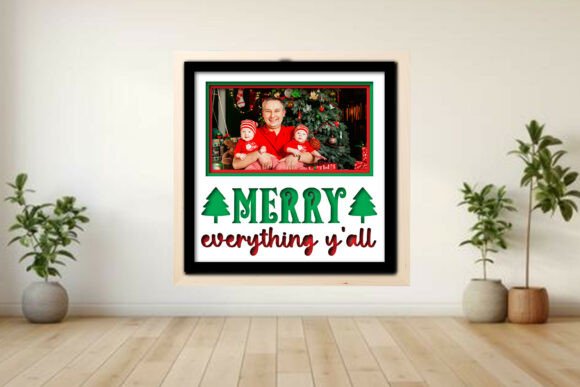
The moment you load this design, the mood is immediately established. It leans heavily into cozy, Southern-inspired holiday charm with the phrase "Merry everything y’all." For those of us building brands around warmth, hospitality, and handmade authenticity, this kind of specific voice is gold. It doesn’t feel like a mass-produced factory item; it feels like something your aunt would gift you because she actually knows you.
Visually, the "Photo Frame Shadow" aspect suggests depth. In embroidery, depth is tricky. You are working with flat thread on flat fabric, so creating a 3D illusion requires smart layering. This design appears to utilize a layered approach, which is excellent for engagement. It creates a natural focal point. The layout feels balanced, avoiding the cluttered look that plagues many budget-friendly machine embroidery design files. It has a clean, editorial quality that suggests it was made by someone who understands negative space as well as they understand fill stitches.
Real-World Application: Where Does This Design Belong?
Let’s talk about utility. A beautiful design is useless if it doesn’t translate well to a sellable product. I visualized this embroidery project in several different contexts, and here is how it performed in my mental mockups.
The Personalized Gift Market
This is the sweet spot. The phrase "Merry everything y’all" combined with a photo frame concept screams personalization. Imagine a custom embroidered pillow cover or a high-quality kitchen towel featuring a family photo inside the stitched frame outline. For an Etsy seller or anyone running a craft business, this is a low-risk, high-reward item. It invites the customer to insert their own memory, making the product inherently more valuable than a standard printed graphic. It works beautifully as a holiday gift or a wedding favor for couples who appreciate rustic, heartfelt aesthetics.
Apparel and Accessories
I also tested the vibe for custom apparel. On a heavyweight sweatshirt or a thick canvas tote bag, this design would anchor the garment nicely. The shadow box element allows it to sit comfortably on the chest area without overwhelming the wearer. However, I would avoid placing this on delicate fabrics. The weight of the stitching, particularly if the shadow effect uses dense fill stitches, needs a sturdy substrate to support it. Think denim, fleece, or heavy cotton blends rather than thin polyester or silk.
Boutique Branding
For small shop owners, consistency is key. If your brand voice is friendly, approachable, and slightly whimsical, this design fits right in. It adds a touch of professionalism to small shop product lines. Whether you are labeling jars of homemade jam with an embroidered patch or branding the corner of a quilted blanket, this design elevates the perceived value of the finished product.
Technical Considerations and Potential Pitfalls
No design is perfect, and transparency is crucial for any serious reviewer. While Merry Everything -- Photo Frame Shadow is robust, there are specific scenarios where you need to exercise caution.
- Hoop Size Constraints: Always verify the recommended hoop size before starting. If you are attempting to squeeze this into a tiny 4x4 hoop, you may lose critical details in the shadow layers or the lettering may become cramped. Ensure your machine can accommodate the full dimensions without excessive re-hooping, which often leads to alignment issues.
- Fabric Texture and Stability: This design likely relies on clear definition between layers. On highly textured fabrics like bouclé or loose-weave linen, the stitches may not lay flat, and the "shadow" effect could get lost in the noise of the fabric. Similarly, on stretchy knits, you must use a proper stabilizer—preferably a cut-away—to prevent distortion. Without adequate stabilization, even the best embroidery file will pucker.
- Density and Detail: Pay close attention to the density settings. If the design uses too much fill stitch in a small area, it can become stiff and uncomfortable against the skin. Conversely, if the detail work is too fine, it may not hold up well after multiple washes. I always recommend testing the design on scrap fabric first to inspect small details and ensure the thread colors provide enough contrast.
- Color Contrast: The visual impact of a shadow box design is entirely dependent on color. On dark fabric, you will need light or metallic threads to make the frame pop. On light fabric, darker threads are essential. Do not underestimate the importance of thread colors; choosing the wrong palette can turn a charming design into a muddy blob.
Designer’s Checklist Before Production
Before you commit this digital embroidery file to a commercial run or a client’s order, run through this quick checklist to protect your reputation and your time.
- Test Stitch Density: Check the balance between satin stitch borders and interior fills. Adjust if necessary to prevent needle breaks or thread tension issues.
- Black and White Mockup: Convert the design to grayscale to check the hierarchy. Can you still distinguish the frame from the background? If not, the contrast is insufficient.
- Stabilizer Selection: Match the stabilizer to the fabric weight. A lightweight tear-away might suffice for a stable cotton tea towel, but a heavy-duty cut-away is non-negotiable for caps or jackets.
- Licensing Verification: Even though this is compatible with popular tools like Glowforge® and Cricut®, always confirm the licensing terms if you plan to sell the finished items. Some designers allow commercial use only with specific tiers of purchase.
- Machine Compatibility: Ensure your machine can handle the file format and complexity. While it claims compatibility with various cutters and engravers, embroidery machines have different tolerance levels for stitch counts and jumps.
Final Verdict
Merry Everything -- Photo Frame Shadow is a thoughtful, well-executed addition to any designer’s library. It captures a specific emotional niche—the desire for connection and celebration during the holidays—while offering the structural flexibility needed for diverse applications. It is not a one-size-fits-all solution, but when applied correctly to the right fabric with the right preparation, it results in a finished product that feels bespoke and cherished.
For the apparel decorator, the patch maker, or the creative entrepreneur looking to add a touch of personality to their design assets, this file delivers. Just remember: the magic happens in the preparation. Respect the fabric, trust your stabilizer, and let the design do what it does best—bring people together, one stitch at a time.