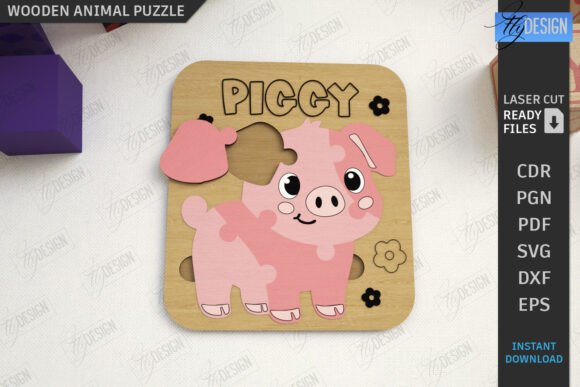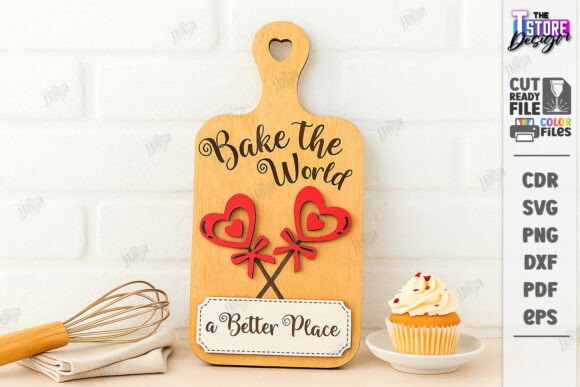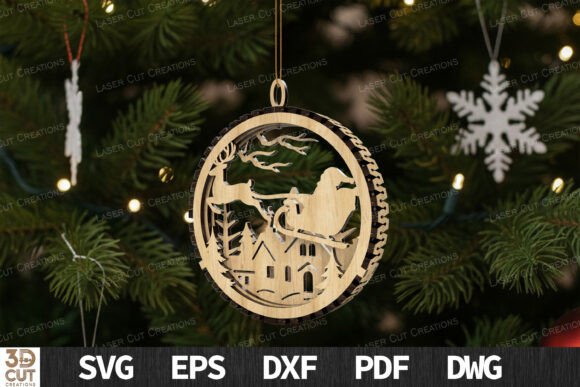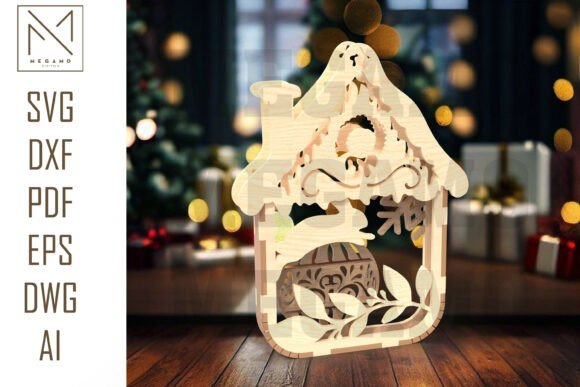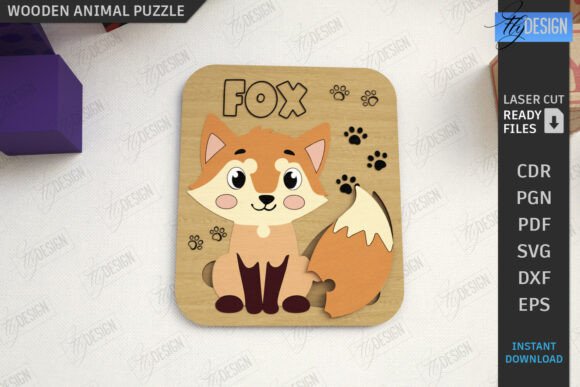
Kids Animals Puzzle Laser Cut Mini Game
When I first opened the files for Kids Animals Puzzle Laser Cut Mini Game, my immediate reaction was not just about the cut lines, but about the brand personality it projected. As a brand designer who frequently advises local businesses on how to stand out on crowded shelves and in digital feeds, I look for assets that carry emotional weight without demanding too much visual noise. This particular graphic design asset strikes a balance between playful nostalgia and clean, modern vector precision. It does not scream for attention; rather, it invites interaction. For small business owners, boutique owners, or handmade sellers looking to inject warmth into their commercial design efforts, this asset offers a unique opportunity to bridge the gap between utility and delight.
The mood created by these cute animals is undeniably friendly and approachable. It suggests a brand personality that is organic, soft, and perhaps a bit rustic, yet polished enough for modern retail environments. Whether you are running a children’s product brand, a family-owned bakery, or a boutique gift shop, the visual language here speaks to trust and creativity. It feels less like a generic clipart and more like a curated illustration designed with intention. This distinction matters immensely in professional branding, where every pixel contributes to the overall perception of quality and care.
Translating Playful Illustration into Commercial Strategy
In my recent project for a local artisanal soap company, we struggled to find a visual element that could represent their "natural play" concept without looking childish. The solution lay in adapting a design similar to Kids Animals Puzzle Laser Cut Mini Game. By isolating specific animal shapes from the puzzle set, we created a subtle pattern for our packaging design. This allowed the product label to feel cohesive with the brand identity while maintaining a sophisticated aesthetic. The laser-cut style of the original SVG design translates beautifully into physical formats, such as die-cut hang tags or embossed boxes, giving tangible products a premium feel.
This versatility extends beyond physical goods. For social media managers and creative entrepreneurs, these assets serve as powerful tools for editorial design and web design. Imagine using one of the larger animal silhouettes as a background texture for a website banner, or employing the smaller pieces as bullet points in a marketing visuals list. The ability to deconstruct the main image allows for dynamic layout adjustments. You can create a sense of movement and interactivity in static graphics, which is crucial for capturing attention in a saturated digital marketplace. When used correctly, these design assets enhance visual hierarchy, guiding the customer’s eye to key information like price, ingredients, or call-to-action buttons.
Strategic Applications for Local Business Branding
The true value of an asset like this lies in its adaptability across various touchpoints. For food businesses and cafes, these animal motifs can be adapted into menu graphics or table tents, adding a whimsical touch that appeals to families. In the realm of promotional material, they work exceptionally well for flyers and posters aimed at community events or seasonal campaigns. A holiday campaign, for instance, could feature these animals holding festive items, creating a strong emotional connection with customers who value local, handcrafted vibes.
- Packaging Accents: Use the laser-cut outlines as decorative borders on kraft paper boxes or recycled mailers. This reinforces a commitment to sustainability and handmade quality.
- Sticker Sheets: Create branded stickers for inclusion in orders. Customers love freebies that double as decoration, increasing the likelihood of social media sharing.
- Social Media Graphics: Animate the puzzle pieces coming together in a loop for Instagram stories or TikTok videos. This dynamic use of PNG design or SVG animation boosts engagement rates significantly.
- Product Mockups: Overlay the designs onto mockup templates to showcase how your final product will look. This helps in securing client approval before production begins.
However, not every application is suitable. There are distinct boundaries where this asset should be used carefully. Formal corporate branding, for example, often requires a more restrained and abstract approach. Using playful animal puzzles in a financial services logo would likely undermine the perceived stability and seriousness of the brand. Similarly, very small labels or ingredient-heavy layouts may become cluttered if the design details are too intricate. Legal information areas require high legibility, so avoid placing critical text over complex decorative elements. Luxury minimalist brands might also find the rustic, laser-cut aesthetic too busy for their clean, uncluttered visual language.
Technical Considerations for Professional Execution
Before integrating Kids Animals Puzzle Laser Cut Mini Game into any commercial design project, there are several technical checks every designer must perform. First, always test the asset on real packaging mockups. What looks good on a screen may lose definition when printed on textured paper or small surfaces. Check black and white usage to ensure the shapes remain distinct without relying on color contrast. If you plan to use the asset alongside typography, test it with serif font, sans serif font, script font, handwritten font, and display font styles to see what creates the best visual harmony.
Inspect the SVG or vector editability when relevant. A true vector file allows you to scale the images infinitely without losing quality, which is essential for everything from business cards to large-format banners. If you are working with a PNG design, ensure the transparency is clean and free of jagged edges. Review the file structure to see if individual elements can be isolated. This flexibility is crucial for customizing the design to fit specific brand colors or adjusting the composition for different aspect ratios.
Furthermore, confirm commercial licensing before using it for client work, business branding, or physical product sales. Understanding the terms of use protects your business from legal issues and ensures ethical sourcing of design assets. Compare the final output with competitor packaging to ensure your visual identity stands out rather than blending in. Does your use of the puzzle theme offer a fresher perspective? Is your color palette more aligned with current trends? These questions help refine the strategic impact of your marketing visuals.
Elevating Customer Trust Through Visual Consistency
Ultimately, the goal of using a graphic design asset like this is to build stronger customer trust and improved product recognition. When a local business presents a unified visual identity across all channels—from the thank-you card tucked into a package to the social media ad that brought the customer in—the message is clear: we pay attention to detail. This consistency signals professionalism and reliability. It transforms a simple transaction into an experience.
By leveraging the playful yet precise nature of Kids Animals Puzzle Laser Cut Mini Game, designers can create marketing visuals that resonate on an emotional level. It supports a narrative of care, creativity, and craftsmanship. Whether you are designing for a handmade business, a digital product launch, or a seasonal campaign, this asset provides a versatile foundation. It encourages experimentation and allows for the creation of memorable brand moments that linger in the minds of consumers long after the purchase is made. In a world of mass-produced content, choosing thoughtful, adaptable design assets is a strategic move that pays dividends in brand loyalty and shelf appeal.